From Milk to Genome: Innovation in Cheesemaking
Molecular biology at the service of cheesemaking
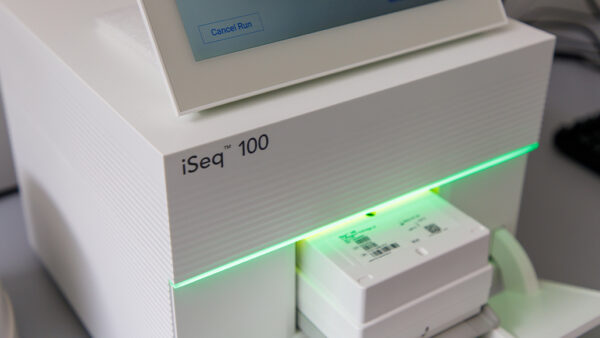
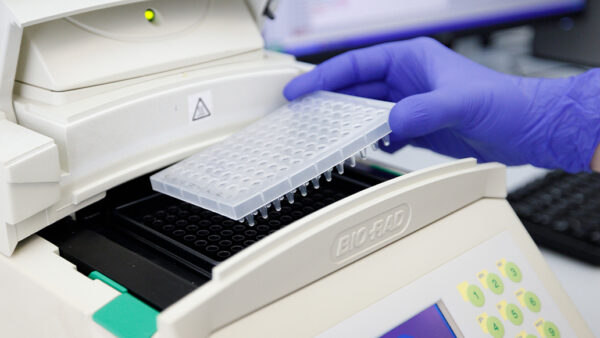
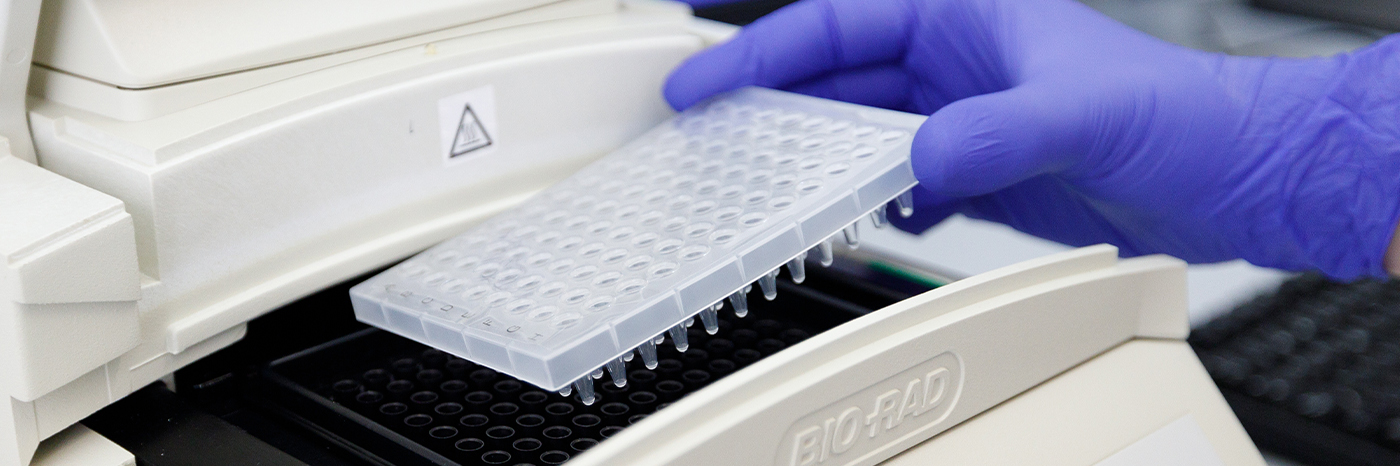
Molecular biology is the discipline that studies organisms’ genetic material, the DNA, which makes it possible to identify microorganisms with great precision and better understand their biological functions. This approach allows a deeper understanding of what happens within samples, revealing information that conventional microbiological analyses do not always show. For example, PCR (Polymerase Chain Reaction) tests allow to detect and amplify even the smallest traces of DNA. As for DNA sequencing, thanks to the technique that reads the order of DNA components, it is possible to sequence the entire genome of a bacteria, or to know the full bacterial communities present in each sample through 16S sequencing.
In cheesemaking, molecular biology is especially useful because it complements conventional microbiology. Conventional analyses are used to detect and quantify certain microorganisms; the molecular approach, on the other hand, allows a deeper analysis of the biological reality behind the sample. Thus, different questions can be answered: which microorganisms are present in the sample, which are responsible for a certain process or defect, how microbial communities change throughout production or during the ripening process, and which risks or deviations can be detected earlier and with greater precision. The examples explained below show how this complementary approach helps respond to specific challenges in cheesemaking.
Fully integrated in projects
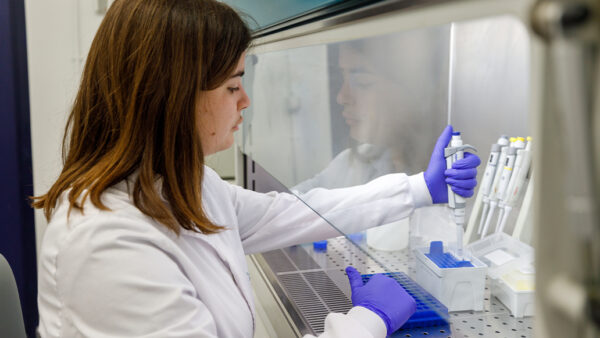
At Esneki Zentroa dairy center, from the perspective of cheesemaking safety and technology, we integrate molecular biology as a strategic tool in our daily activity. It is not a separate isolated unit; rather, it is a discipline that is incorporated in collaboration with the team throughout each project, to better understand and ensure the quality of raw materials, process control, and the safety and characteristics of the final product.
In this context, molecular biology has become another cornerstone of our activity, working together with the team behind each project.
Within the SHIGA project, we have worked on the study of pathogenic Escherichia coli that produces the toxin of the same name. Here, we used the PCR technique to analyze the presence of the toxin-producing gene both in raw milk and in dairy products. In addition, through whole genome sequencing, we obtained the complete genome of E. coli strains isolated from collected milk, allowing a more precise understanding of pathogenic strains and detecting possible similarities with other pathogenic strains.
Within the ELAMINA project, we have investigated biogenic amines that appear during the cheese ripening process. These amines are produced by the decarboxylase enzyme of lactic bacteria and may affect the nervous and circulatory systems in sensitive individuals. In this case, we carried out 16S sequencing to analyze microbial communities and identify the responsible agents. In addition, we performed whole genome sequencing of two strains for a deeper analysis of the decarboxylase gene involved in this process.
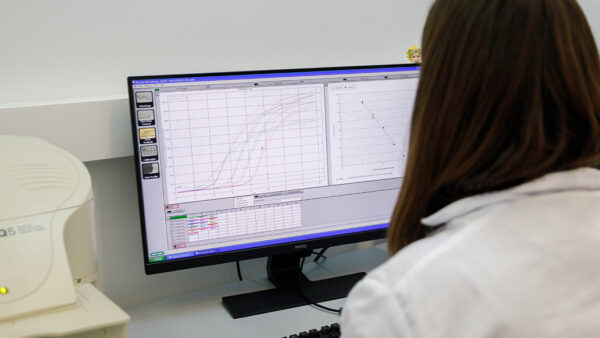
Moving from the field of safety to cheesemaking technology, we are working under the HETEGAZ project. Heterofermentative bacteria produce gas during the late stages of cheese ripening, causing undesirable characteristics in cheeses: cracks and cavities appear, and particular off-flavors and aromas develop. In this case, from a metagenomic approach, we analyzed the microbial community of cheeses with defects through 16S sequencing in order to identify the specific genera and species behind this phenomenon. In certain species, we quantified their presence using the quantitative PCR technique.
In the same line, through the BLUECARE project, we analyzed the microbiota of blue cheeses. We studied how different ripening processes modify cheese characteristics, as well as how bacterial and fungal communities evolve. In fact, different ripening conditions may be related to specific microorganism communities.
Looking to the future: continuous innovation
Our molecular biology laboratory is at the center of continuous innovation and will continue to be an essential cornerstone in the future. In this direction, we will continue advancing in the automation of analytical processes, as well as in the deep and integrated analysis of genomic data, in order to offer increasingly faster and more precise responses.
However, the real value of our laboratory goes further: it is not only about the speed or reliability of services. The real strength lies in the new knowledge we are generating in research projects based on advanced molecular techniques. This knowledge is key to anticipating future challenges, to better understanding production processes, and to providing innovative solutions to complex problems arising in the dairy sector.
Furthermore, the knowledge we generate is not abstract: it starts from the real needs of the cheesemaking sector and is directly connected to the reality of our clients. We work with a clear objective: to offer stronger, more precise, and scientifically supported responses to problems.
Ultimately, the research we develop today builds the services of tomorrow. This allows us to continue being a trusted partner in the future, continuously generating value based on innovation.





 info@leartiker.com