
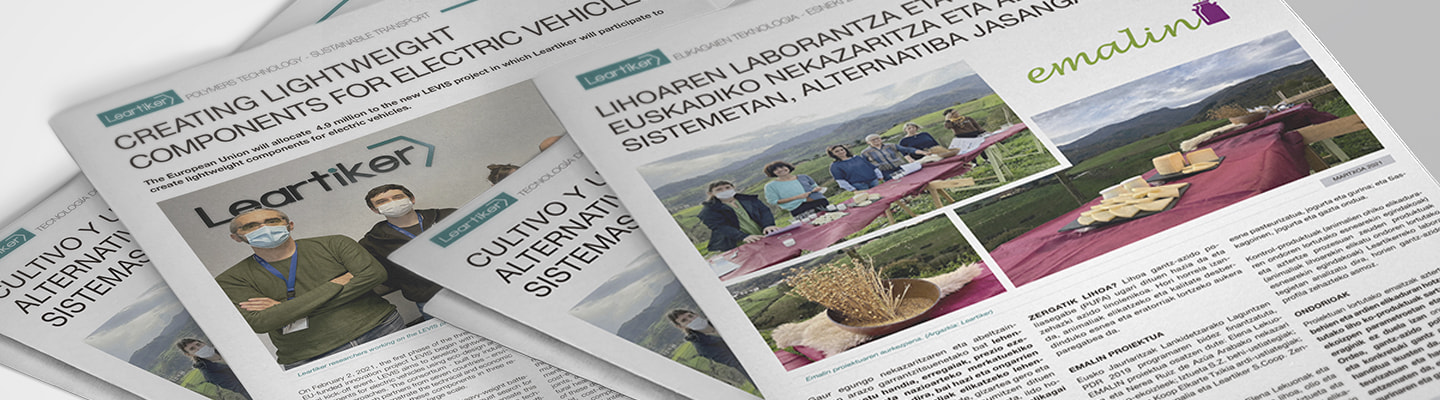
From Milk to Genome: Innovation in Cheesemaking
In cheesemaking, molecular biology is especially useful because it complements conventional microbiology. Conventional analyses are used to detect and quantify certain microorganisms; the molecular approach, on the other hand, allows a deeper analysis of the biological reality behind the sample.
INNOPET 2.0: Moving towards a new generation of sustainable pet food
Following the successful completion of the INNOPET project at the end of 2025, INNOPET 2.0 is now being launched – a new phase designed to take protein innovation for pets to the next level. The objective is clear: to optimise the range of products developed in the previous phase and move towards their pre-industrial and commercial scaling.
INNTERACT Interreg Poctefa - Innovative Network on Tissue Engineering
The INNTERACT project, funded by the European Interreg POCTEFA programme, is being launched with a clear objective: to improve the transfer of biomedical innovation from the research environment to industry, especially in the fields of tissue engineering and regenerative medicine.
Sensory analysis as a technological criterion for product and process control
Sensory analysis is a highly versatile tool that allows us to evaluate different aspects of a food product, ranging from tests focused on consumer acceptance to descriptive analyses of specific attributes. Within this spectrum, we primarily use it in our work as a technological tool: it helps us interpret how formulation and processing decisions are reflected in the cheese’s final characteristics.