New trends in alcoholic beverage consumption
In recent years, we have seen increased investment in personal health and wellness, with consumers showing greater interest in functional foods, which provide health benefits to the consumer and can reduce the risk of certain diseases. As a result, the consumption of natural products such as fermented plant-based beverages is increasing as consumers become more aware of the nutritional value and health benefits of these products.
Generally, fruits and vegetables are a rich resource that can be used to create a variety of products that provide numerous health benefits and can be successfully added to fermented plant-based products. In particular, fermented plant-based beverages are gaining popularity for their properties, including those that protect against digestive disorders.
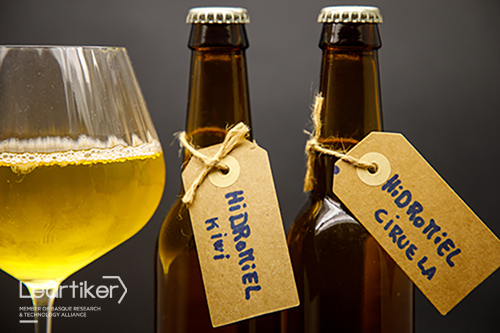
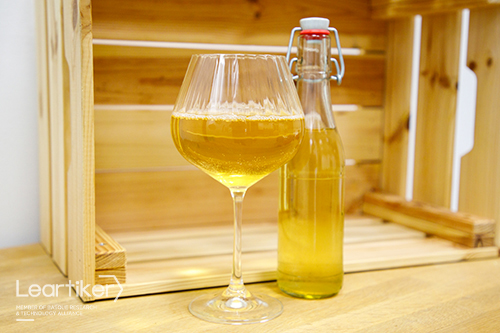
The global fermented beverages market is expected to grow at an annual rate of 5.80% from 2022 to 2031. Against this backdrop, the popularity of and consumer demand for low-alcoholic beverages is growing. A clear example of this trend is kombucha, a fermented tea-based drink, whose market expanded by 580% between 2020 and 2022, fuelled by its growing presence on the shelves of large-scale retail outlets.
This drink belongs to a new category called NoLo beverages, which stands for no or low alcohol, covering a wide array of products ranging from 0% to 4% alcohol by volume. In 2021, the volume of sales of NoLo beverages grew by more than 6% in 10 countries that are key global markets (Australia, Brazil, Canada, France, Germany, Japan, South Africa, Spain, the United Kingdom and the United States of America), accounting for 3.5% of the global market share of alcoholic beverages. This growth is largely due to younger consumers who are becoming increasingly interested in low-alcohol, low-calorie beverages.
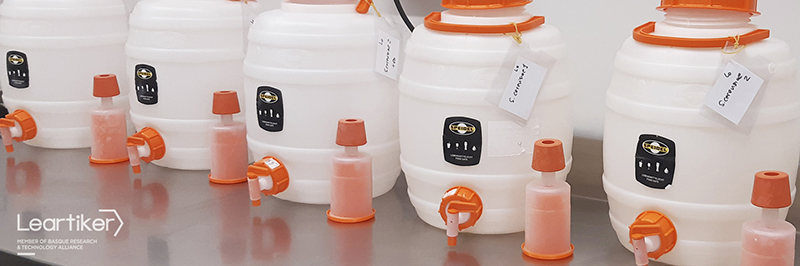
In 2018, Leartiker Food Technology decided to work on fermented foods and in its 2020-2025 strategic plan included a new line of research on fermented foods aimed at studying fermentation processes in plant-based foods. During this time, a number of projects have been carried out that are related to the development of fermented foods, aimed at generating technical and scientific knowledge about these types of products, including their manufacturing processes and food safety. During 2022 and 2023, work has been carried out on the CIRCULARFERM project, based on the application of fermentation processes as a tool for recovering by-products for the development of new products, in which low-alcoholic beverages have been developed using by-products from the dairy and cider sectors. Leartibai Fundazioa also took part in this project, conducting a trend analysis of the fermented beverages market, the result of which has confirmed the market's appetite for this type of product. Accordingly, LEARTIKER is working to launch new initiatives in the low-alcohol beverage sector. The ultimate goal of this work is to generate technical and scientific knowledge that can be transferred to the beverage industry.






 info@leartiker.com