Revolutionising the world of fruit and vegetables
Eating fruit and vegetables is associated with a healthy and sustainable diet, and the daily intake of 5 pieces is highly recommended. Thus, it is advisable to increase the amount of fruit and vegetables you eat. However, vegetables are usually sold on the market in fresh or canned form. The current market may seem unappealing to consumers, which is why, through the FERVERG project, Leartiker is seeking to make these products more innovative and attractive to consumers, while maintaining their healthy properties and adapting them.
In recent years, consumers interest toward new culinary experiences has been increasing, largely influenced by innovative fine cuisine. Meanwhile, consumers are becoming increasingly health and sustainability-conscious and are demanding innovative, healthy and sustainable products.
One of these trends is fermentation, which, despite being an age-old culinary technique, is still at the forefront of modern gastronomy. We have been using fermentation as a method of preservation and consuming vegetables since the starts of human civilisation. A good example of this is sauerkraut (sour cabbage) which was eaten by the inhabitants of the Roman Empire, or traditional Asian sauerkrauts, such as Chinese pao cai or Korean kimchi. Other ancient fermented vegetable-based foods common in Asia are Chinese Jiangshui (fermented celery, Chinese cabbage, mustard, radish sprouts and herbs) or fermented soybeans, such as Japanese miso and natto or Indonesian tempeh.
Therefore, the aim of the FERVERG project is to use fermentation to preserve fruit and vegetables and turn them into new commercially attractive products. To achieve this, local and seasonal food will be used, making the process viable and affordable for small producers, resulting in diversification and the development of innovative products with new sensory characteristics for the market. Ensuring that they stand out from the general range of canned vegetable products currently on the market.
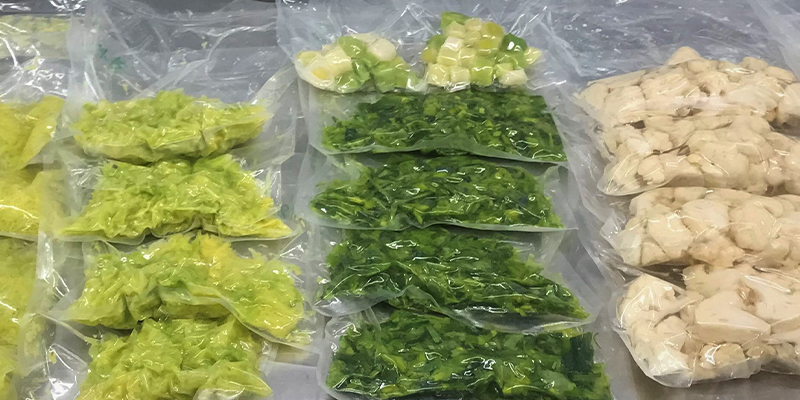
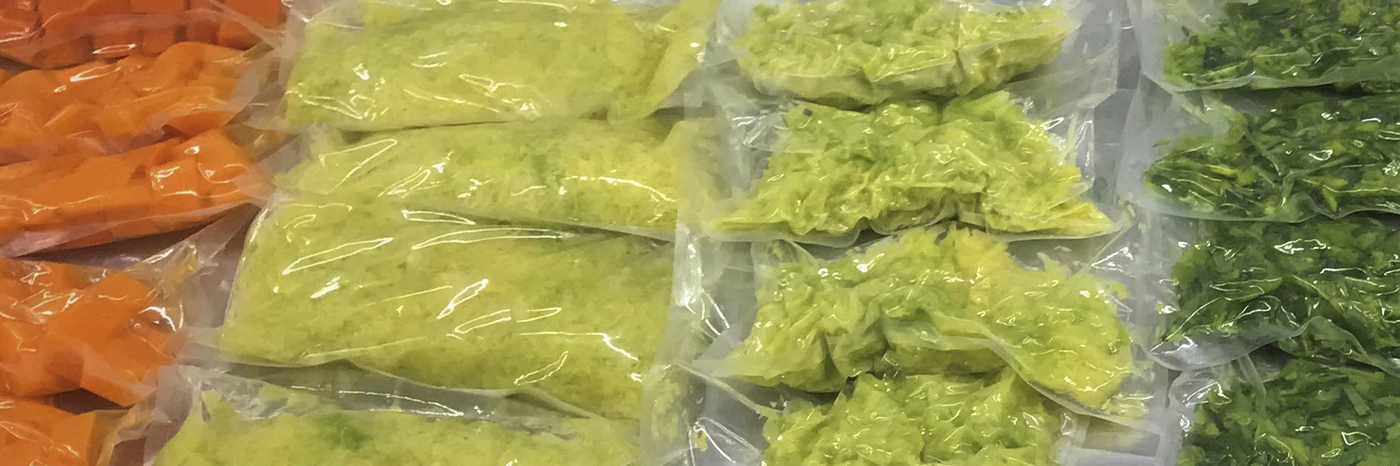
Fermentation is most commonly carried out using lactic acid bacteria. Under favourable conditions of anaerobiosis, salt concentration and temperature, the lactic acid bacteria naturally found in these raw materials drives the fermentation process, while other microrganisms present do not tolerate those conditions.
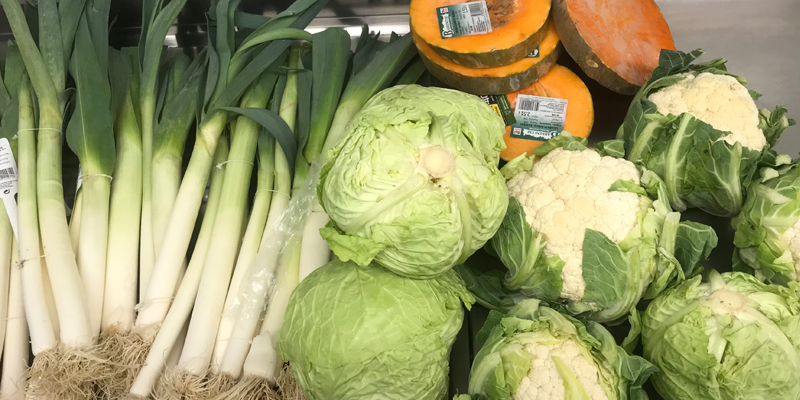
The FERVERG project, which was launched at the start of the year, began with a study of Basque winter vegetables such as leeks, pumpkin, cabbage and cauliflower. Different fermentative conditions which favor lactic acid bacteria growth will be studied through a physico-chemical characterisation of the process to optimise the fermentation of vegetables. Moreover, microbiological analyses will be carried out to define the microorganisms driven the fermentation and to guarantee the food safety in order to elaborate new innovative products that use lacto-fermented vegetables as raw material focus on the market.
Leartibai Fundazioa is also involved in this collaborative initiative led by the Leartiker technology centre, carrying out market research and analysing business opportunities. This one-year project has been funded by the Basque government's 2023 BERRIKER programme for research, development and innovation in the agricultural, forestry, fishery and aquaculture sectors in the Basque Country which will conclude in December 2024.





 info@leartiker.com