FERMATEC, a year of research and transfer in plant fermentation
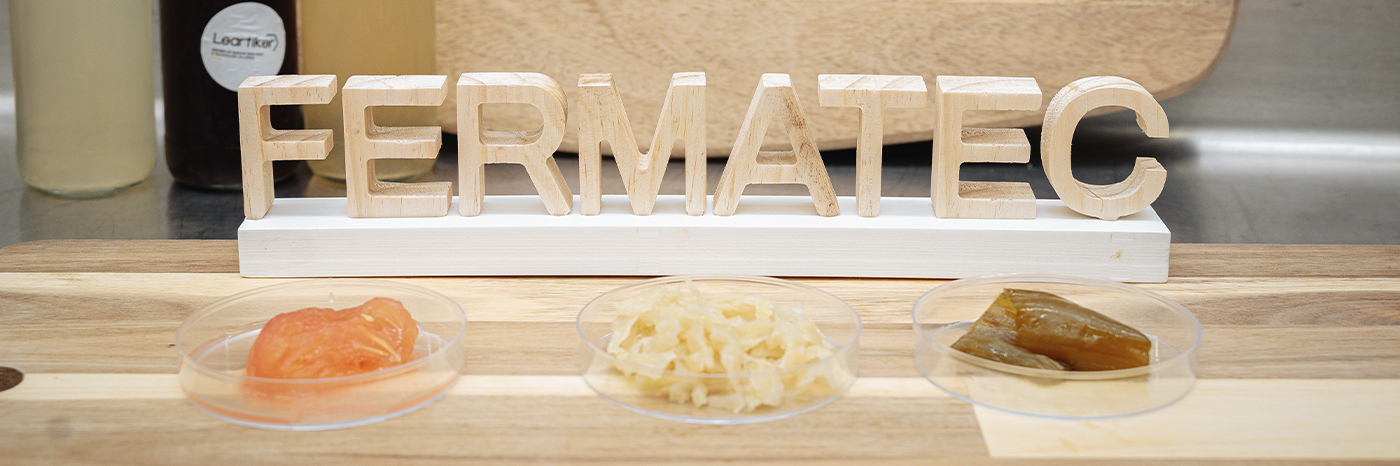
In 2025, the Leartiker technology centre concluded the FERMATEC project, an initiative aimed at generating and transferring knowledge about fermentation processes applied to plant-based raw materials. The project has explored the potential of fruit, vegetables, cereals and aromatic plants as a basis for new fermented foods, with the aim of offering the food sector development and innovation options based on bioprocesses.
Throughout the project, Leartiker has focused its activity on studying different fermentation strategies and their effects on plant matrices, as well as identifying applications of interest to producers and companies. The work carried out has led to advances in understanding how certain treatments and fermentation conditions can influence the final characteristics of the products.
Applied research at the Leartiker Fermentation Laboratory
All research activity carried out is supported by the technical capabilities of the Leartiker Fermentation Laboratory, which is part of its specific line of research into fermented foods, one of the strategic areas within the field of sustainable foods. This laboratory is equipped to carry out experimental fermentations under controlled conditions and allows for both microbiological and technological studies.
In this space, the interactions between microorganisms are analysed and the production of metabolites generated during the fermentation processes is quantified. This scientific infrastructure makes it possible to advance applied knowledge of fermentation and develop solutions with potential for transfer to the food sector.
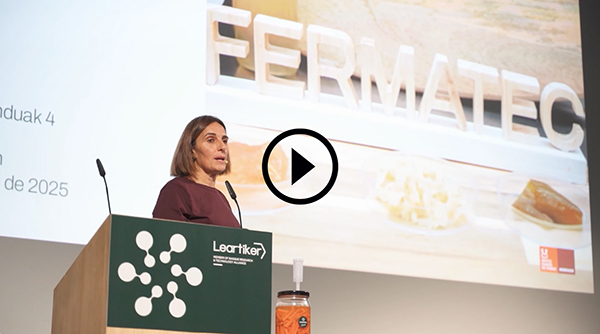
Summary of the FERMATEC project
Transfer programme: workshops, webinars and technical conference
Within FERMATEC, Leartiker has developed a comprehensive transfer programme aimed at professionals in the food sector, combining practical workshops, technical webinars and a final conference. The workshops addressed two key areas: fungal fermentation applied to koji and miso, and lactic fermentation of vegetables, focusing on microbiological fundamentals, critical parameters and good manufacturing practices.
The webinars complemented this training with content on low-alcohol fermented beverages and fermentation as a tool for innovation in food, offering a technical overview of fundamentals, safety and development opportunities.
The programme culminated in December with a technical conference aimed at professionals, at which the main advances of the project were presented. The conference also included a showcooking event open to the public, where tastings of various dishes made with fermented foods were offered. Participating producers also had the opportunity to exhibit their products in a display set up throughout the event, allowing them to showcase their products and share experiences with attendees.
An innovation project with broad participation
Leartiker has given the initiative a very positive assessment. Although the project has required intensive work in both research and transfer activities, the high and diverse level of participation confirms the sector's growing interest in fermentation as a tool for developing new products and processes. This response from the sector supports the effort made and reinforces the importance of continuing to advance in this line of work.
Thanks to the results obtained, Leartiker consolidates its role as a specialist in research and technology transfer in the food sector, expanding its capacity to support the sector in the adoption of bioprocesses and the development of new products based on fermentation. The knowledge generated during the project opens up new opportunities for collaboration and contributes to further strengthening the local food ecosystem.
The FERMATEC initiative is based on the TransferFERMATEC project, funded by the Basque Government's Berriker 2024 programme, with the aim of promoting knowledge and innovation in the field of fermentation applied to food.





 info@leartiker.com