PLASTIGARBI, a new project for collecting and processing marine waste
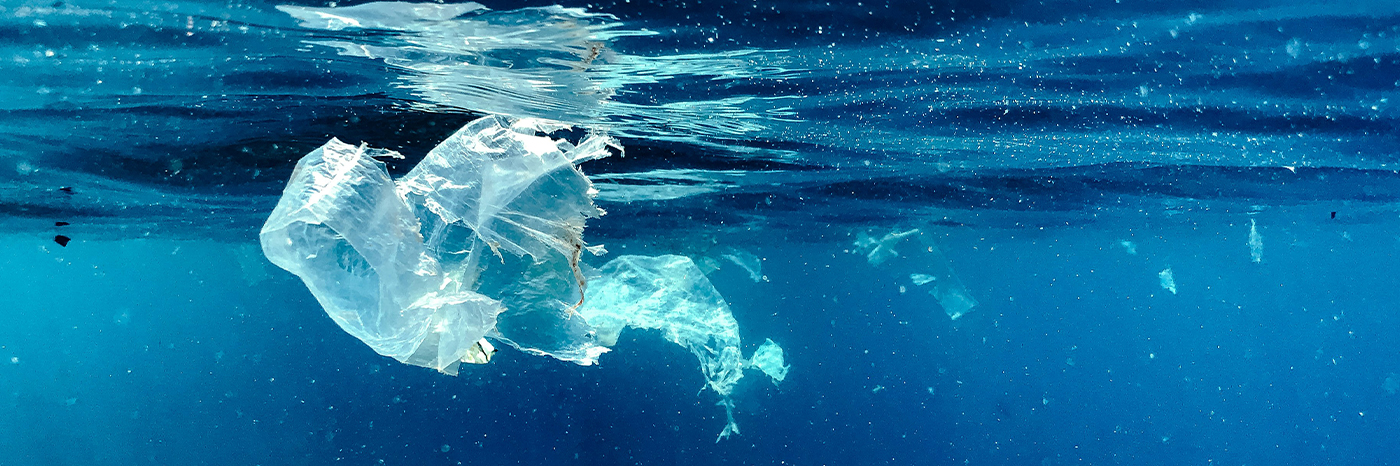
The PLASTIGARBI project proposes steps towards a more sustainable and environmentally friendly future. Because the data is not very reassuring today: plastic waste accounts for 85% of ocean pollution; it threatens biodiversity by contributing to global warming and destroying the environment; and, after a certain amount of time, this material becomes difficult to treat. As if all this were not enough, if we continue at this rate, global plastic consumption will increase 2.5-fold by 2060.
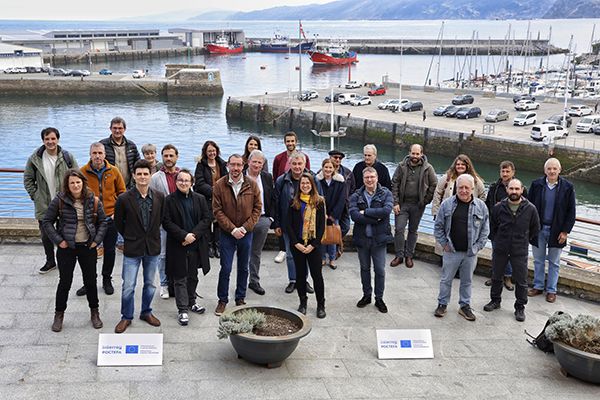
At the presentation event held in Getaria, the director of Udalbiltza, Clara Rouget, explained the context of the project. It began to take shape following a request from the Hendaye Town Council: what to do with recreational boats that were left unused in ports. Over time, the project has become a collaboration between different coastal stakeholders throughout the Basque Country, and its objectives have multiplied: from the management of abandoned boats to a more comprehensive management of marine plastic waste. With these new objectives, it was decided to redesign the project and submit it for European POCTEFA funding.
These partners from Ipar and Hego Euskal Herria are: Udalbiltza, Institut Français des Huiles Végétales Pures, Université de Pau et des Pays de l'Adour, Estia, Altens, Leartiker and the Plentzia-UPV Maritime Station. After several months of work, the partners can say that they have achieved their main objective, which is this POCTEFA grant that will help to develop the project. Now all that remains is to embark on the journey.
PLASTIGARBI, step by step
André Dubos, president of the Institut Français des Huiles Végétales Pures, explained the project in more detail in the final stages of the presentation. The coastal towns of the Basque Country will be the focus of this project, which will follow a series of actions or lines that can be developed in parallel:
The first action will consist of drawing up a technical and economic map of the agents involved in the collection and recycling of marine waste, as well as identifying the waste accumulated in this coastal area and analysing the legislation.
In the second action, this collected plastic waste will be processed, promoting cross-border technological cooperation. A combination of different techniques will be used to try to give this plastic waste a new lease of life. This action will also involve the deconstruction of abandoned recreational boats.
To bring all this to fruition, a third line of work will seek to strengthen the cross-border network. All the activities included in the project (characterisation, collection and recovery of waste) will encourage collaboration between agents from different territories, opening up new approaches and paths.




 info@leartiker.com