ABRAZA, a project promoting assistive robotics to improve personal independence, comes to an end
ABRAZA has come to an end following several months of collaborative work to research and develop new assistive robotics solutions aimed at wheelchair users with significant support needs.
Funded by the Ministry of Industry and Tourism through the support programme for Innovative Business Clusters (AEI), the project has brought together organisations from Castile and León, the Basque Country and Catalonia: Aspace Salamanca, Ceteo Ortopedia, ITCL Technology Centre, Syltec Ingeniería, Leartiker, Cluster SIVI and the Spanish Plastics Centre (CEP).
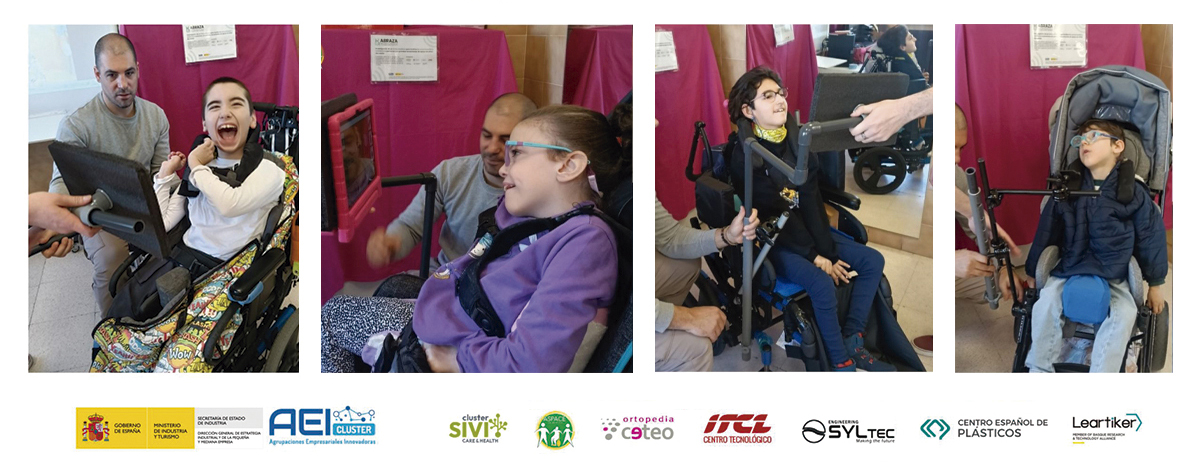
The main objective of ABRAZA has been to lay the foundations for a universal, personalised and adaptable robotic solution capable of facilitating augmentative and alternative communication, as well as access to digital tools and everyday activities for people with significant support needs.
During the project, various prototypes of an assistive robotic arm were developed and validated in collaboration with users from ASPACE Salamanca, enabling the analysis of key aspects such as ergonomics, adaptability to different communication systems and the integration of assistive technologies into a single device. The trials have highlighted the importance of designing highly customisable solutions, capable of adapting to each person’s specific abilities and needs.
In this collaborative project, Leartiker has contributed its expertise in materials and sustainability, participating in the selection and evaluation of materials for the robotic system’s components with the aim of moving towards lighter, more durable and more sustainable solutions, in line with the device’s functional requirements and the needs of its future users.
From ABRAZA to BRAIS: building on the progress made
Although ABRAZA is formally coming to an end, the research and the technological challenges identified continue. With the aim of building on the progress made, the consortium has presented BRAIS (Intelligent and Sustainable Assistive Robotic Arm), a new proposal aimed at developing a smarter, more accessible and sustainable solution that will help improve the independence, participation and quality of life of wheelchair users and those with significant support needs.
The initiative is currently awaiting the final decision on the AEI 2026 call for proposals from the Ministry of Industry and Tourism.





 info@leartiker.com